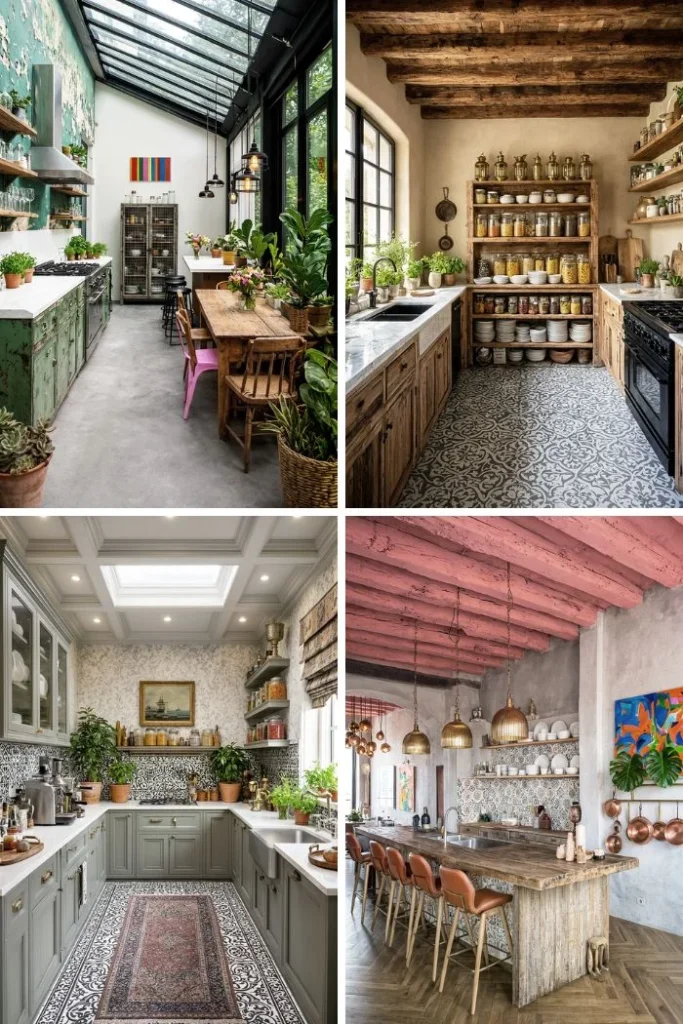
That vast sea of boring builder-grade tile is draining the life out of your room. It is time for a change. Choosing the right kitchen flooring immediately fixes optical illusions in narrow spaces. Bold geometric shapes expand tight galleys. Wide planks warm up sterile white cabinets beautifully.
1. Zoning without the tripping hazard
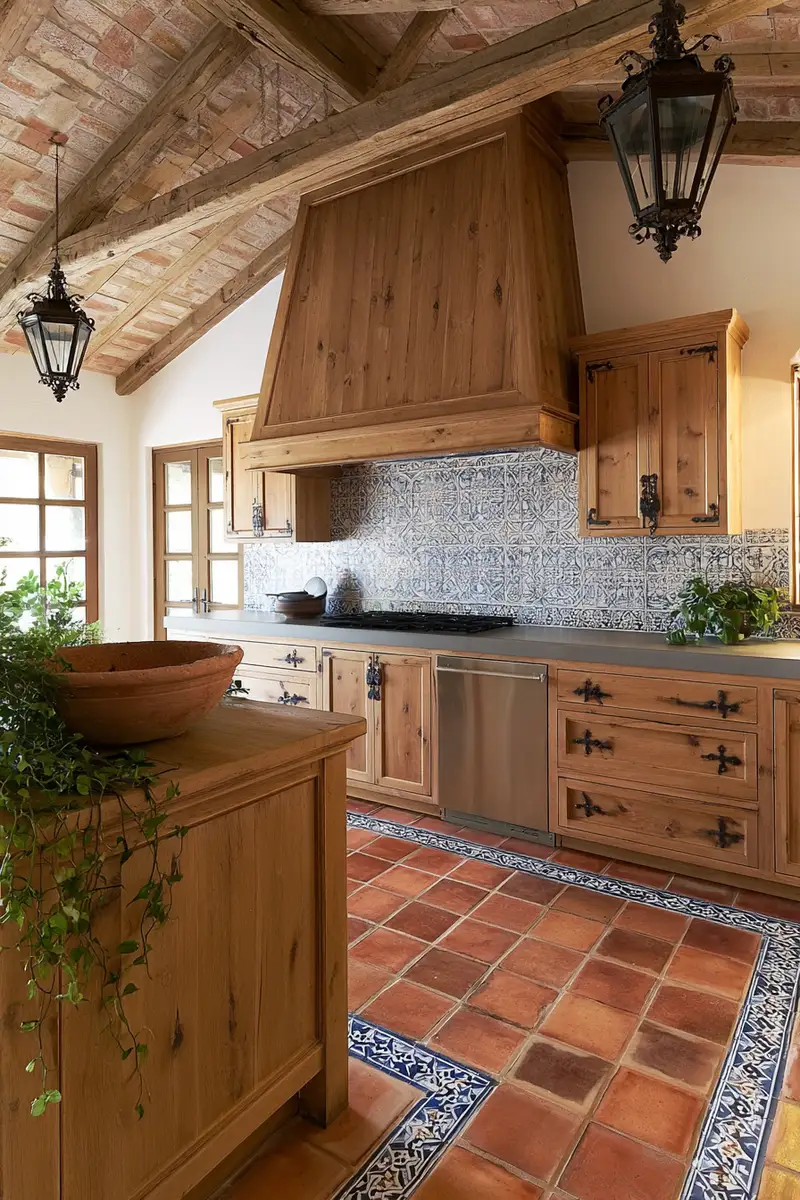
Defining the main cooking zone in a massive open-plan kitchen usually involves throwing down a rug. But fabric rugs in a kitchen are just crumb traps waiting to trip you while holding hot pans. Setting a contrasting patterned tile border directly into a warm terracotta floor maps out the workspace beautifully. It provides that necessary visual anchor around the island without adding a single chore to your daily cleaning routine.
2. The ultimate camouflage for daily spills
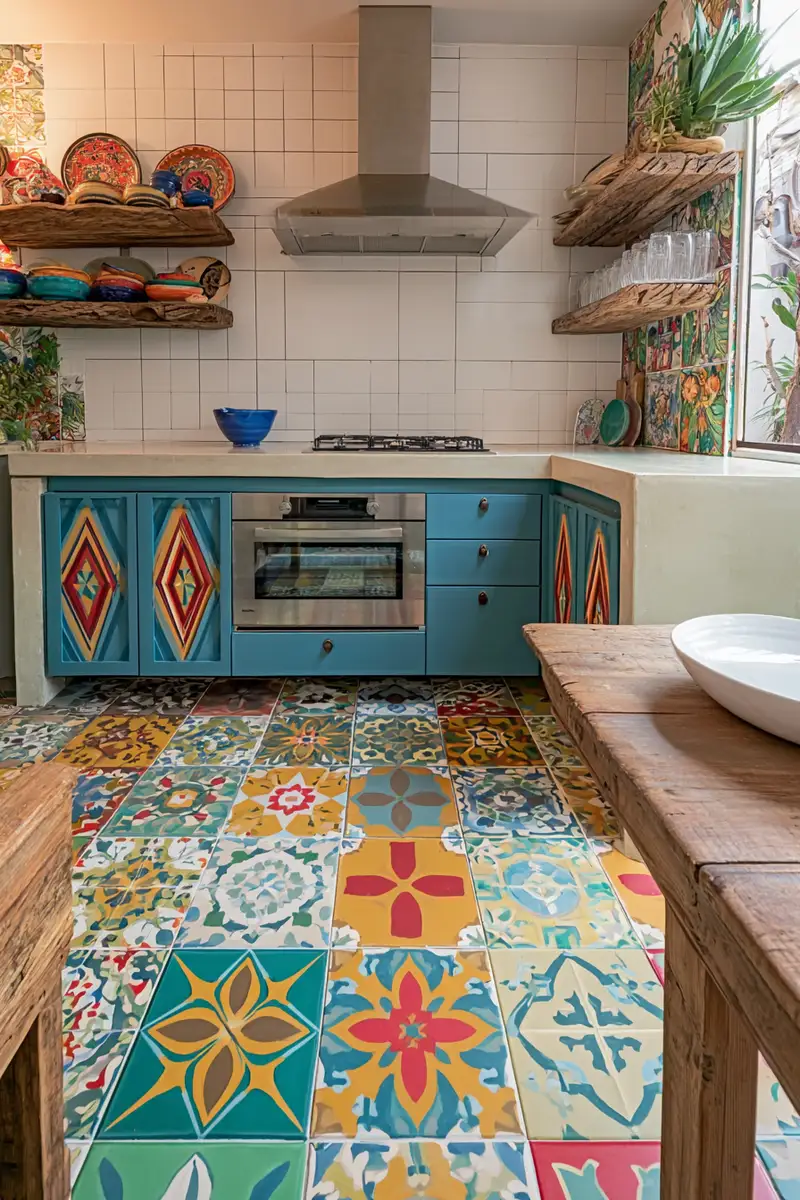
Keeping a heavily used cooking space spotless is a losing battle. A vibrant, deeply patterned floor is the smartest visual trick to hide minor dust and flour spills between deep cleans.
3. Softening the harsh industrial warehouse vibe
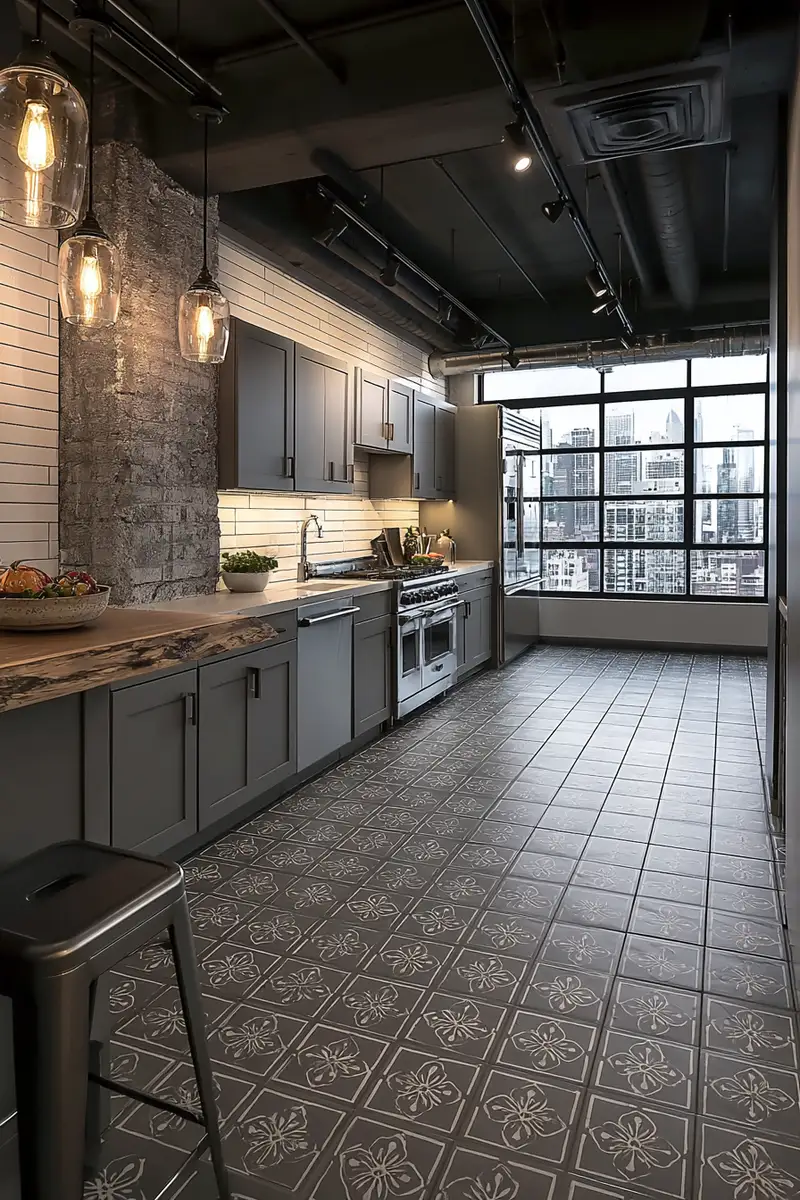
Converting a commercial loft often leaves you with an overly cold, rigid feeling. Bare concrete floors can amplify that starkness. Swapping raw cement for square tiles with a faded, vintage motif instantly warms up the room. The subtle pattern softens the heavy metal ducts and dark cabinets overhead. It bridges the gap between raw industrial utility and cozy residential comfort perfectly.
4. Expanding narrow corridors
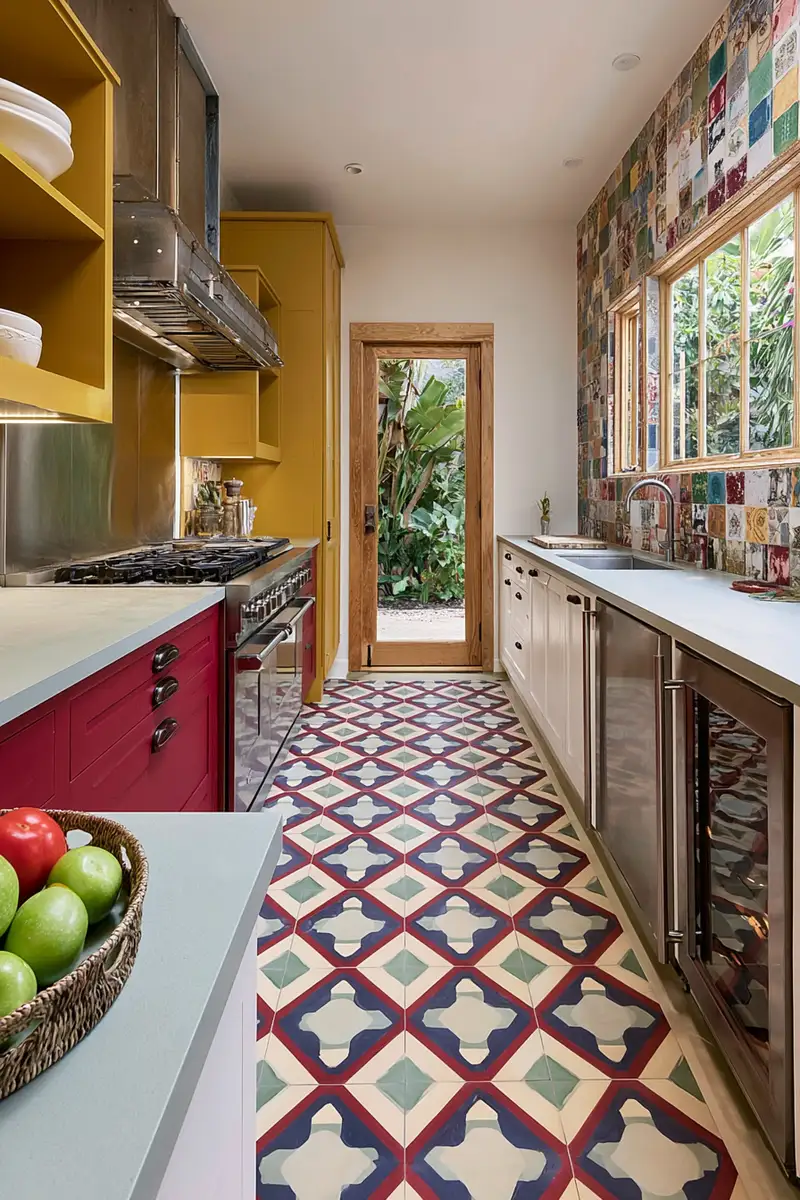
A bold geometric floor pattern completely distracts the eye from tight walls, instantly making a cramped galley kitchen feel twice as wide. Pure optical genius.
5. Erasing the grout line nightmare
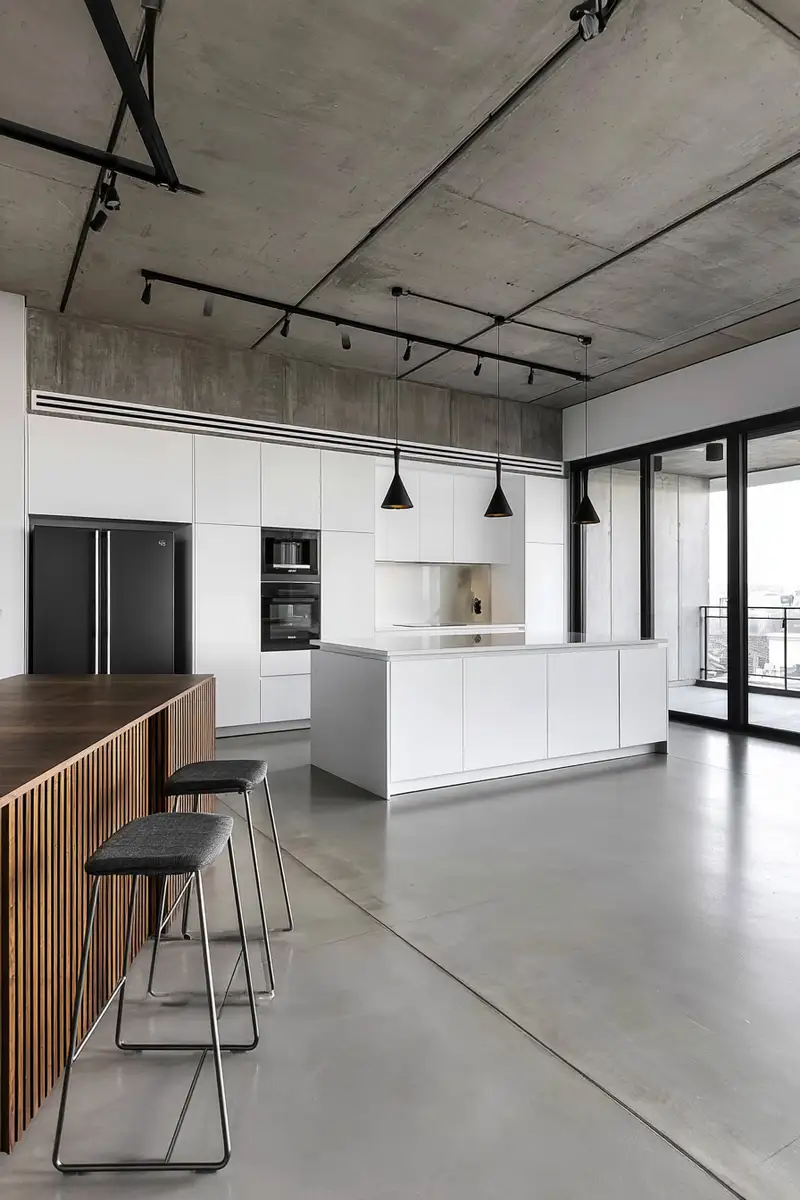
Scrubbing greasy, discolored grout lines is easily the worst part of kitchen maintenance. A seamless poured concrete floor eliminates those stubborn dirt traps entirely. A quick sweep and mop leave this sleek, uninterrupted surface looking flawless.
6. Grounding pastel chaos
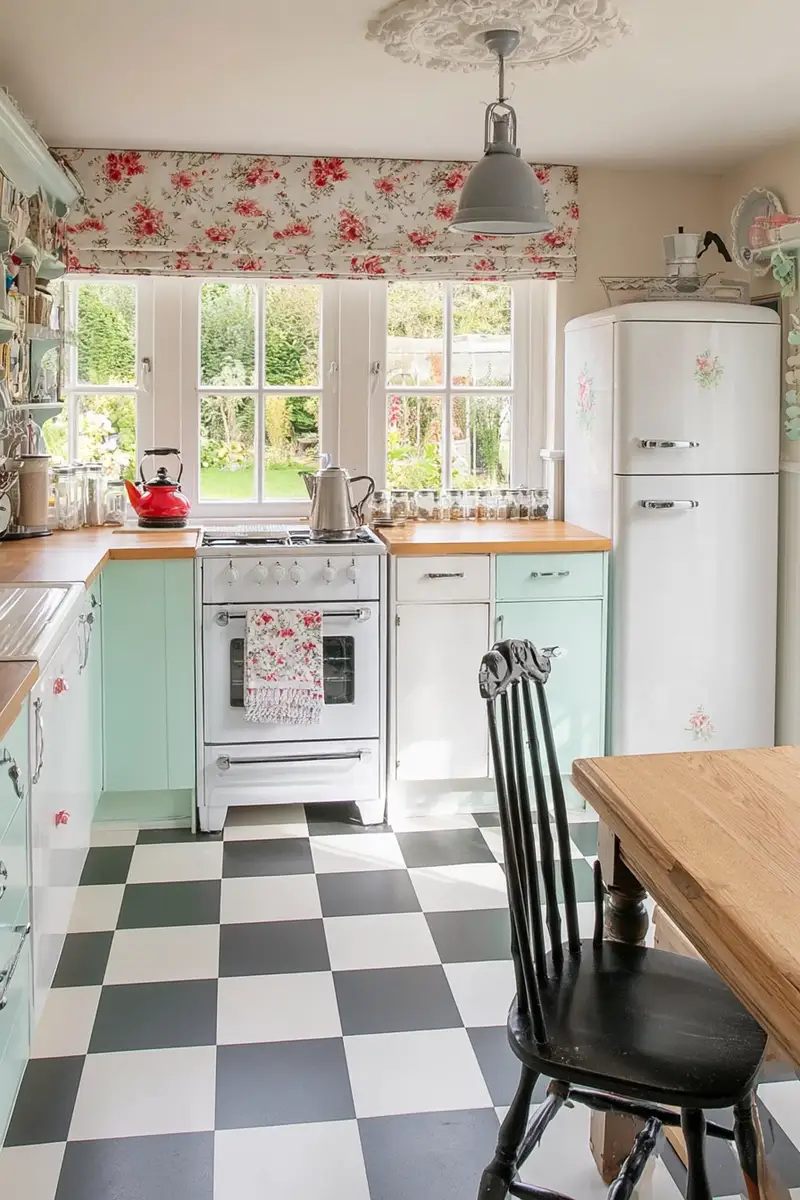
A strict black and white checkerboard provides a rigid visual anchor that stops retro floral kitchens from looking visually overwhelming.
7. Seamless transitions for massive open layouts
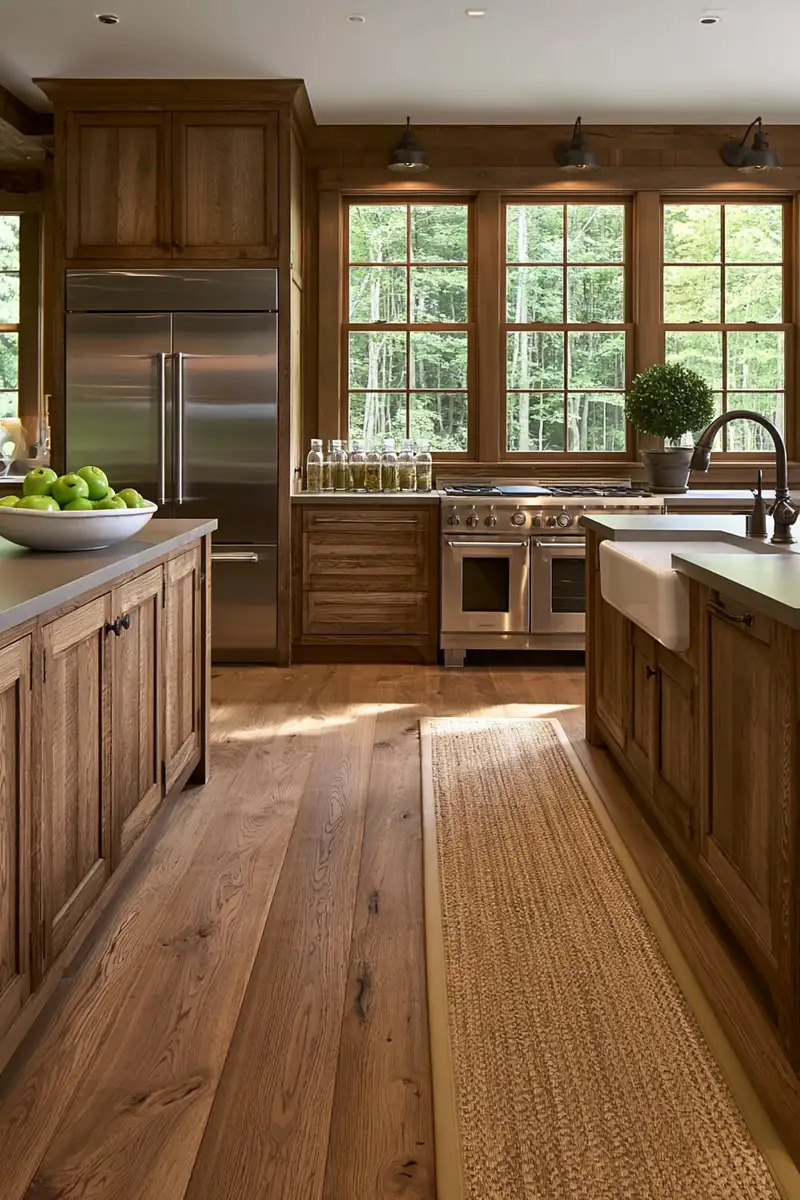
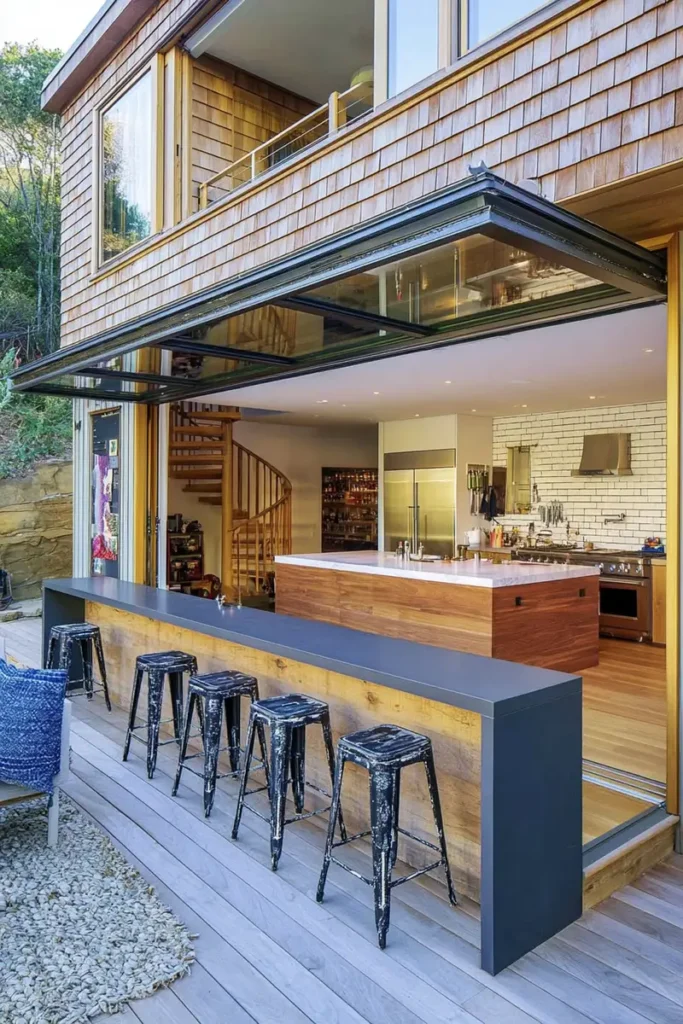
Chopping up an open floor plan with different flooring materials instantly makes a house feel smaller and highly fragmented. Running wide-plank engineered hardwood straight through the kitchen solves this completely. The continuous wood grain pulls the eye deep into the space. Modern matte finishes handle accidental water drops effortlessly, giving you the rich warmth of natural timber without the old fears of warping near the sink.
8. Lightening up a heavy room
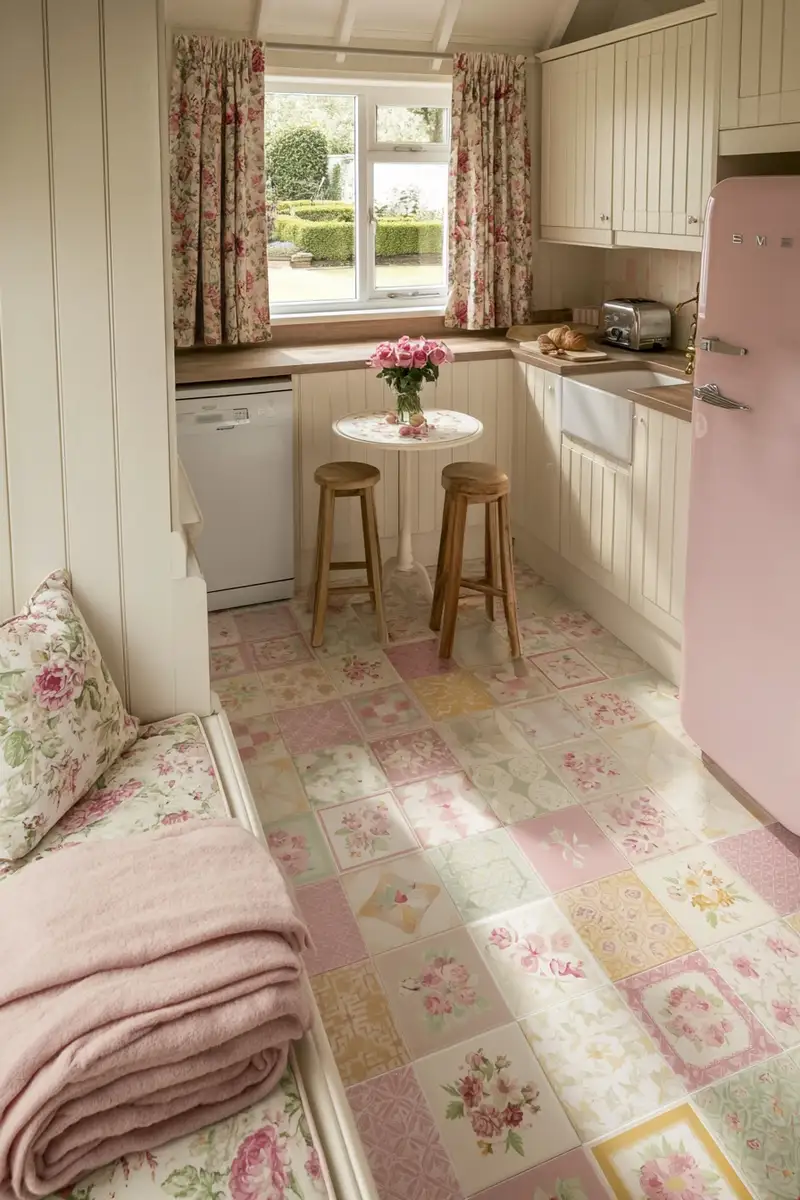
Dark wood floors absorb light and easily make small spaces feel oppressive. Swapping to a light pastel patchwork tile bounces natural sunlight around the room effortlessly. The varied patterns hide footprints while adding a soft, lived-in charm to the space.
9. Minimizing visual noise
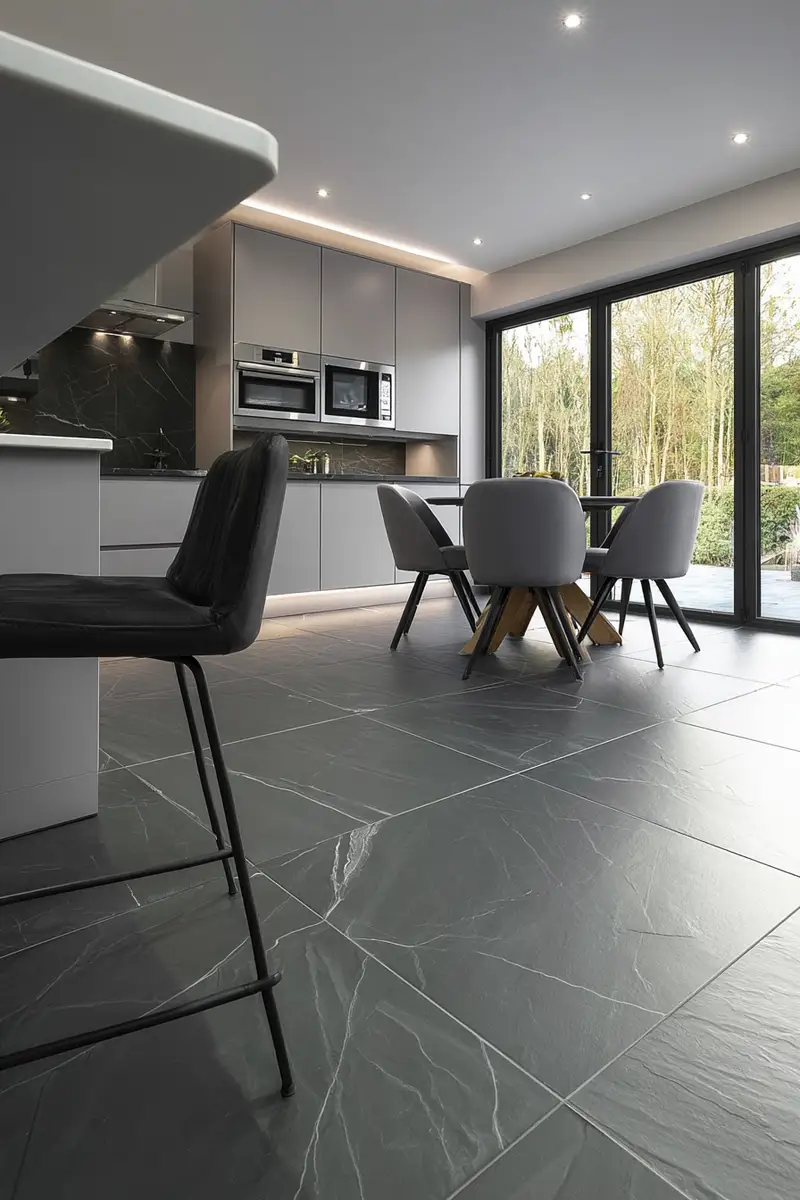
Large-format dark tiles drastically reduce messy grout lines, creating a sleek, moody foundation that easily hides water spots and dust.
10. Bulletproof texture from raw timber
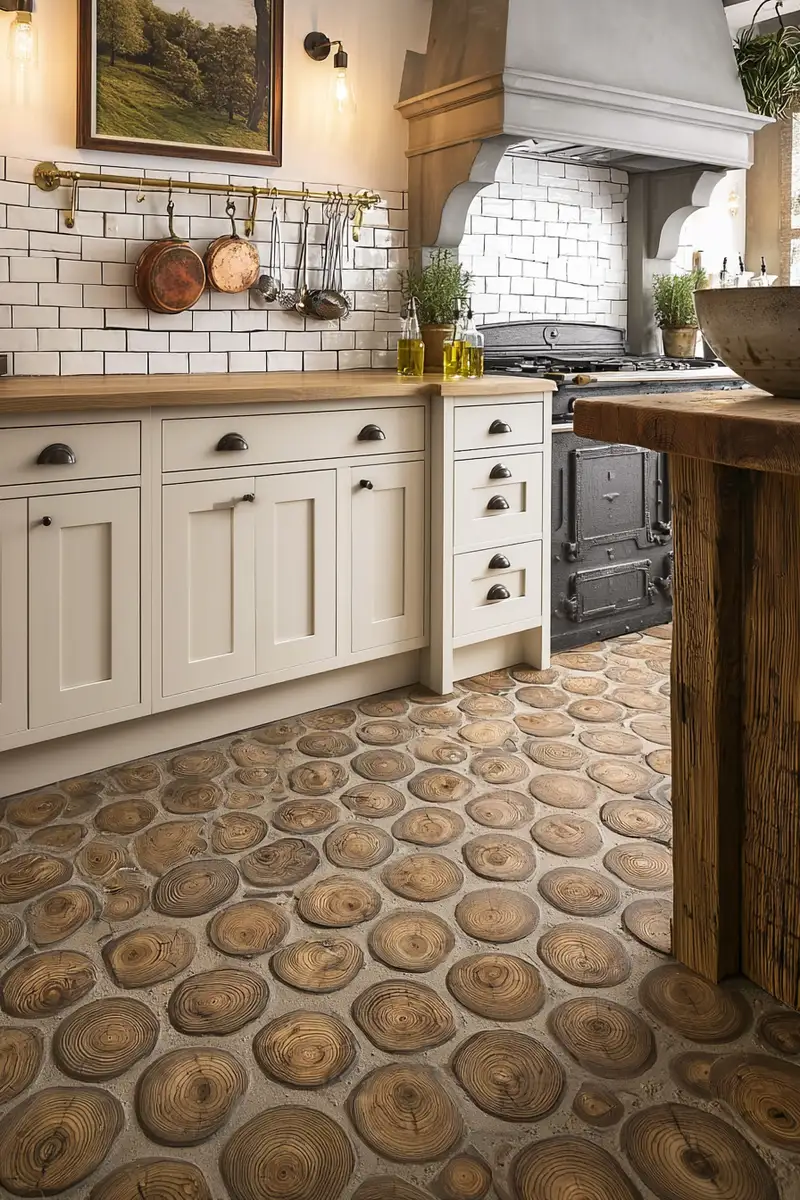
ure from raw timber
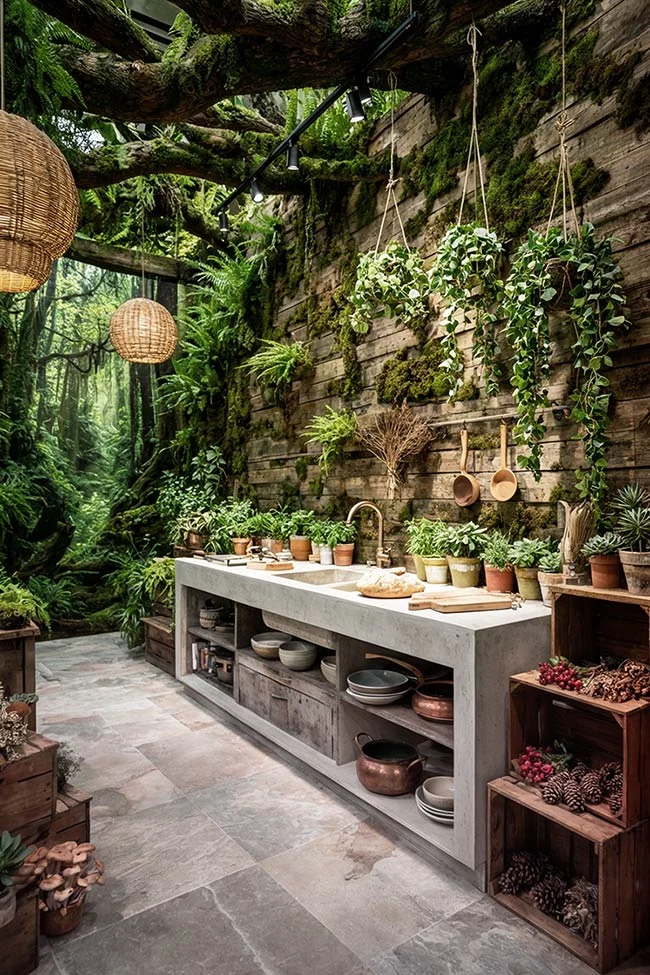
Text: Dropping heavy cast iron pans usually chips standard ceramic tile. Setting solid wood log slices directly into a thick mortar base creates a nearly indestructible floor. It brings serious organic texture indoors and handles heavy country boots without showing a single scratch.
11. Chevron patterns break the tunnel effect
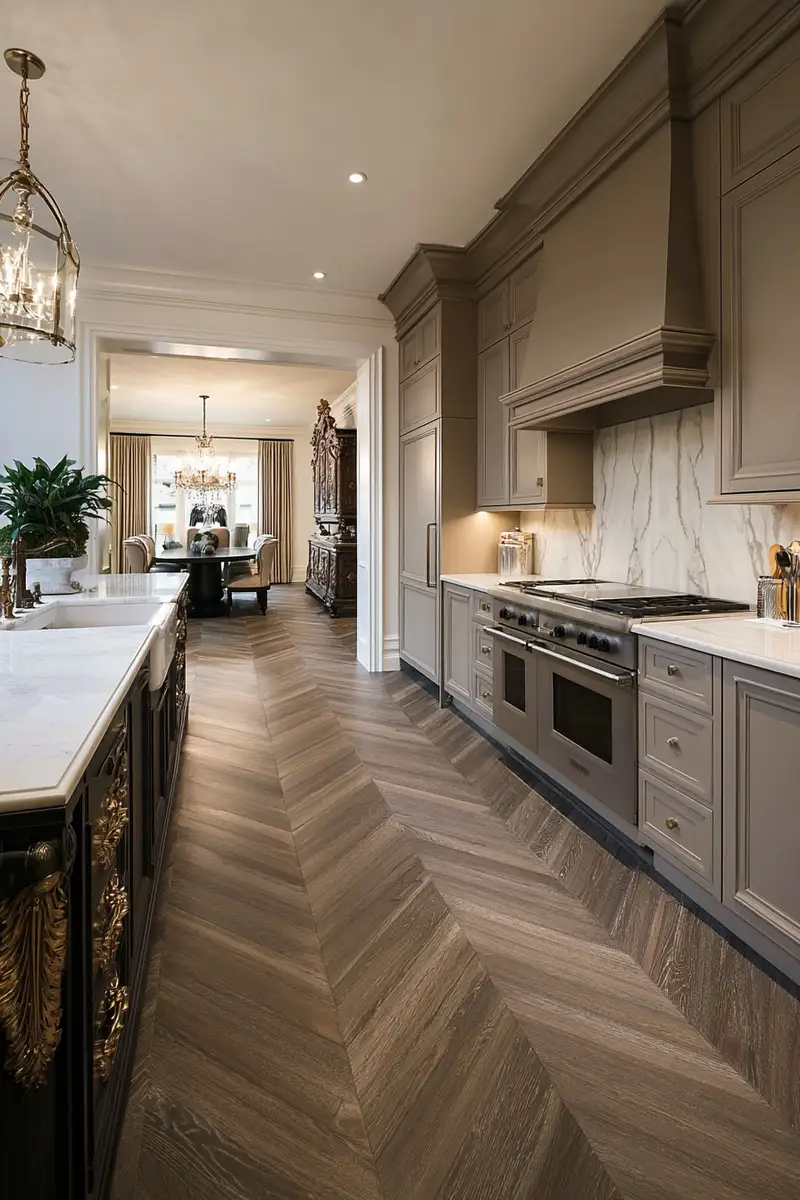
Long galley layouts frequently suffer from a severe bowling alley effect. Straight floorboards just make the room feel endlessly narrow. Laying down a chevron wood floor solves this optical illusion completely. The sharp, repeating angles physically push your eye outward toward the cabinets. It instantly tricks the brain into seeing a much wider, highly customized walkway.
12. Faux wood stops water anxiety
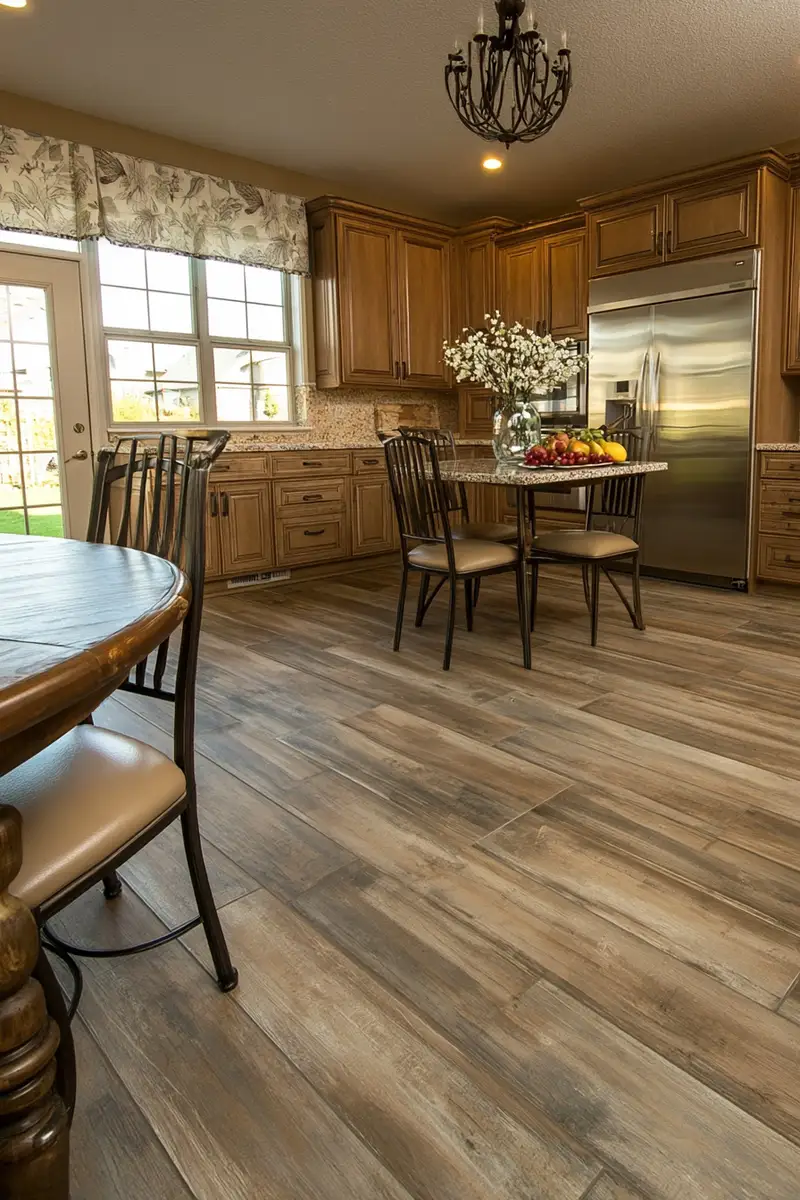
Real hardwood near a busy sink or dishwasher is a constant source of water-damage anxiety. Using wide-plank porcelain tiles that perfectly mimic aged timber erases that panic entirely. You get the heavy, historic warmth of wood but can casually wipe up major spills without a second thought.
13. Vibrant patchwork to anchor heavy cabinets
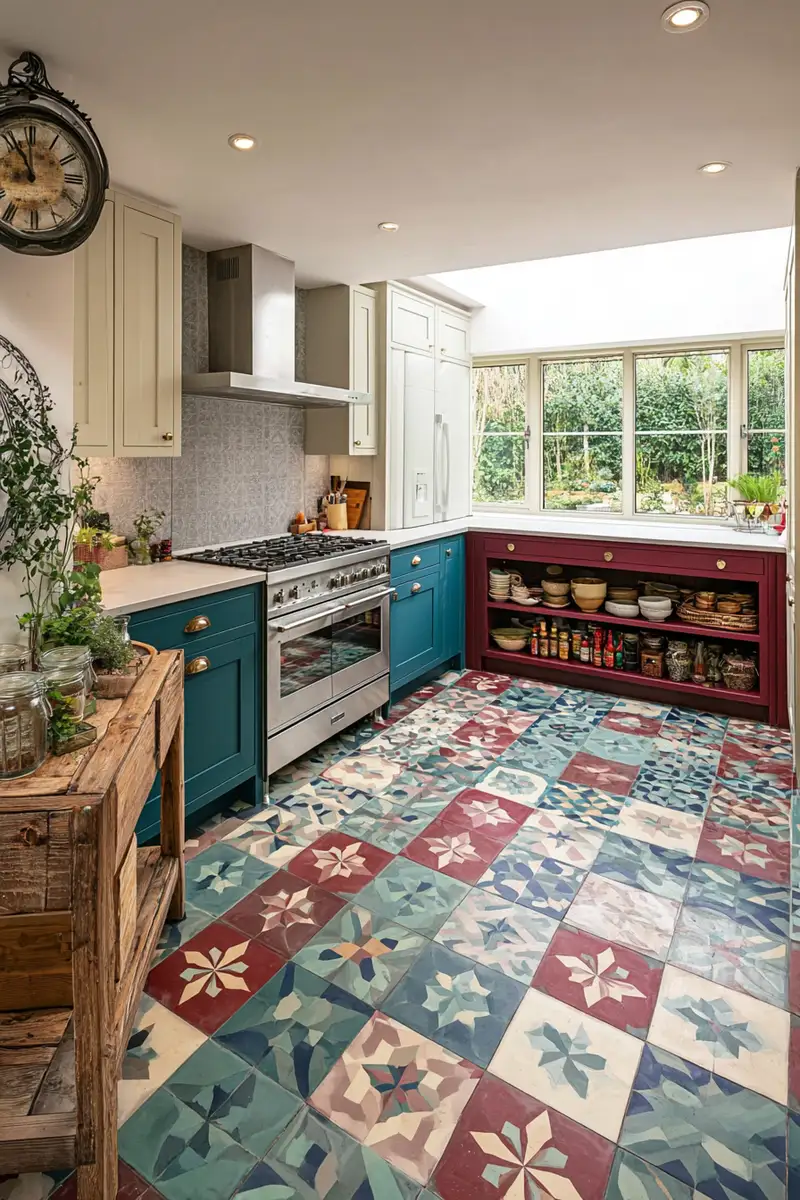
Installing deeply saturated, dark cabinets often traps a room in shadows. A plain floor simply amplifies that heaviness. Throwing down a vibrant, mismatched patchwork tile floor acts as a brilliant visual counterweight. The intense noise on the ground immediately pulls the focus downward. It easily masks heavy foot traffic and dropped cooking ingredients, giving those dark wooden structures a highly dynamic, forgiving foundation to sit on.
14. Ergonomic layering
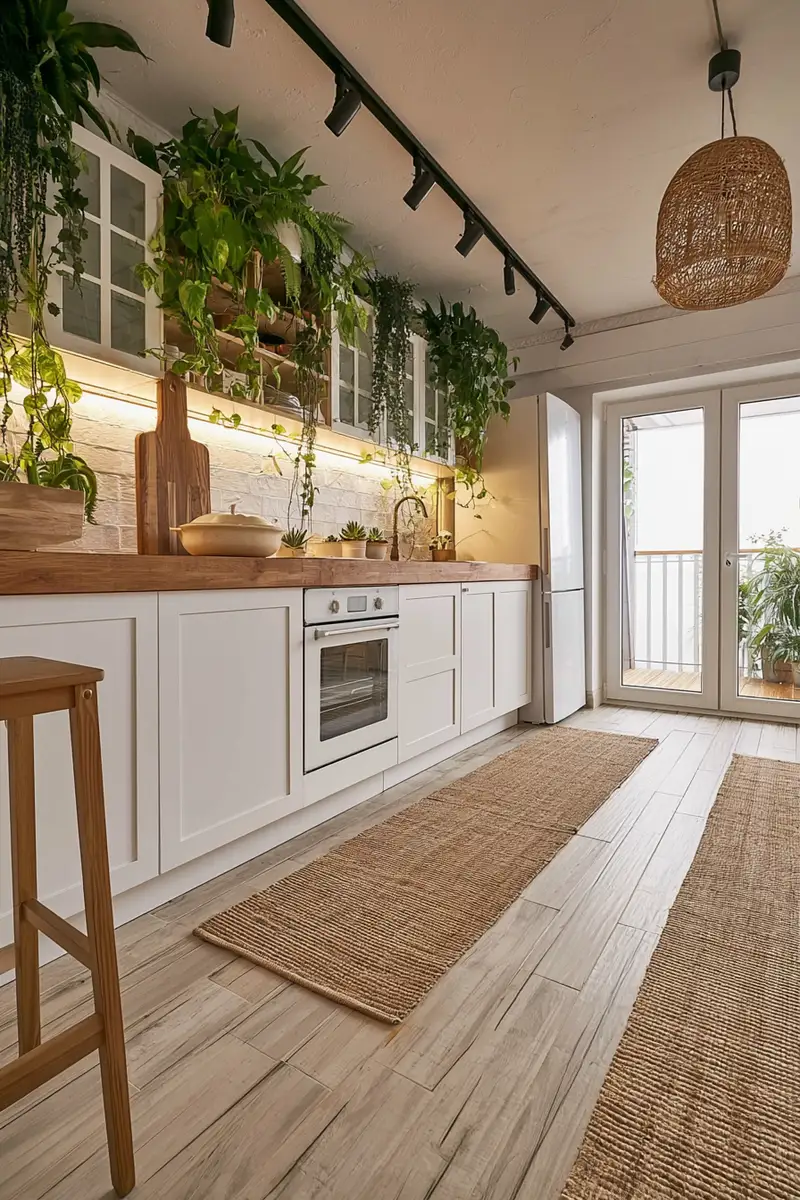
Standing on hard kitchen floors ruins your back during long cooking sessions. Dropping a thick, natural jute runner over simple waterproof planks fixes the ergonomics instantly. It also catches daily grease splashes before they stain the primary floor.
15. Continuous patterns expand tight spaces
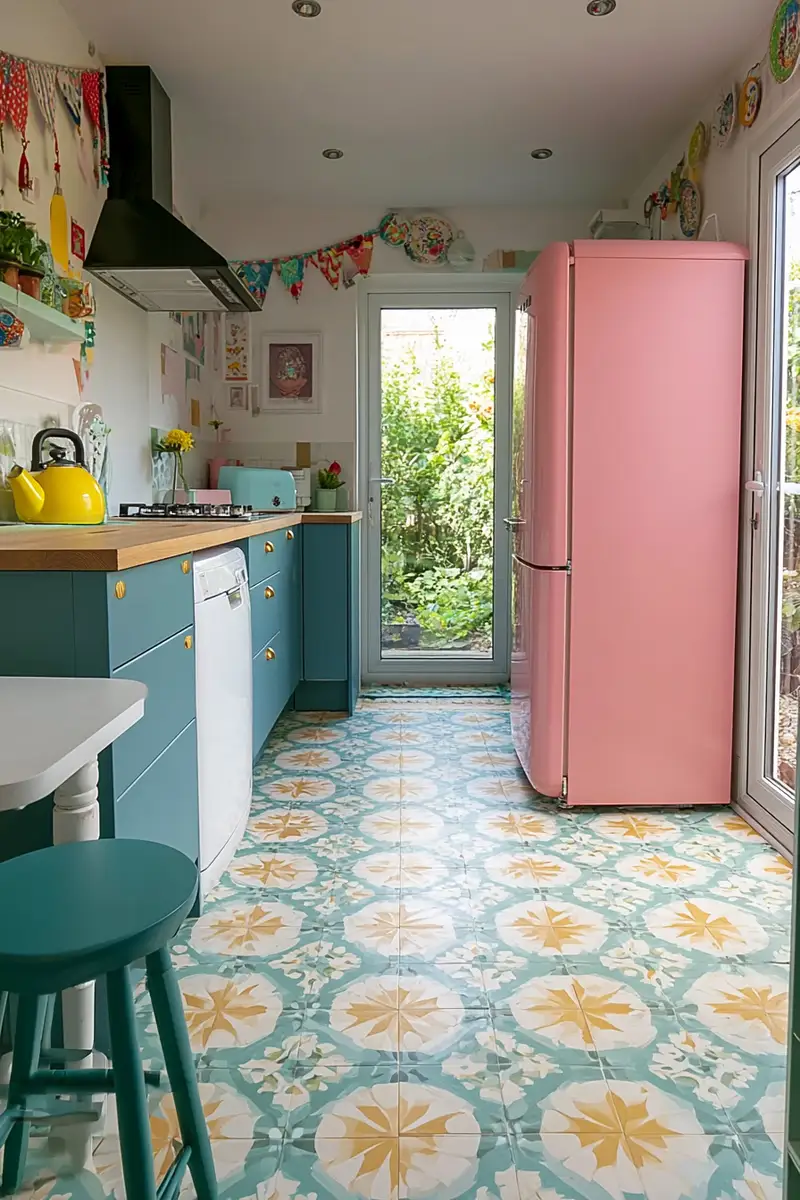
Narrow utility kitchens usually feel like cramped closets. A bold, repeating geometric tile pattern forces the eye to keep moving across the floor. It transforms a restrictive, tight layout into a highly deliberate design statement.
16. Massive slate slabs for high-traffic zones
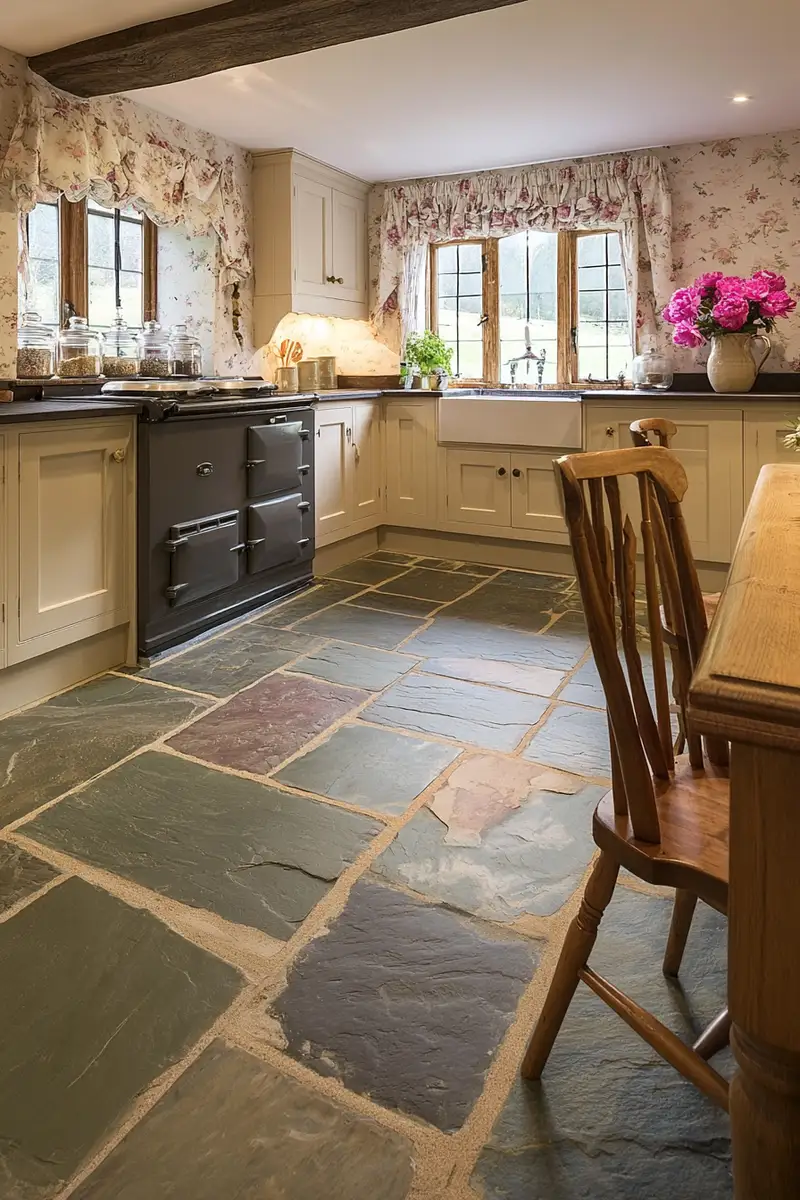
Perfectly smooth floors in a busy country house show every single scratch, scuff, and speck of dirt. It quickly becomes a daily maintenance nightmare. Installing massive, multi-colored slate slabs is the ultimate bulletproof upgrade. The rough, uneven cleft texture provides excellent slip resistance near wet sinks. More importantly, those varied natural earth tones completely swallow up tracked-in mud and debris from the garden. You can easily skip a few days of mopping and the floor still looks perfectly fine.
17. Brass inlays warm up clinical white
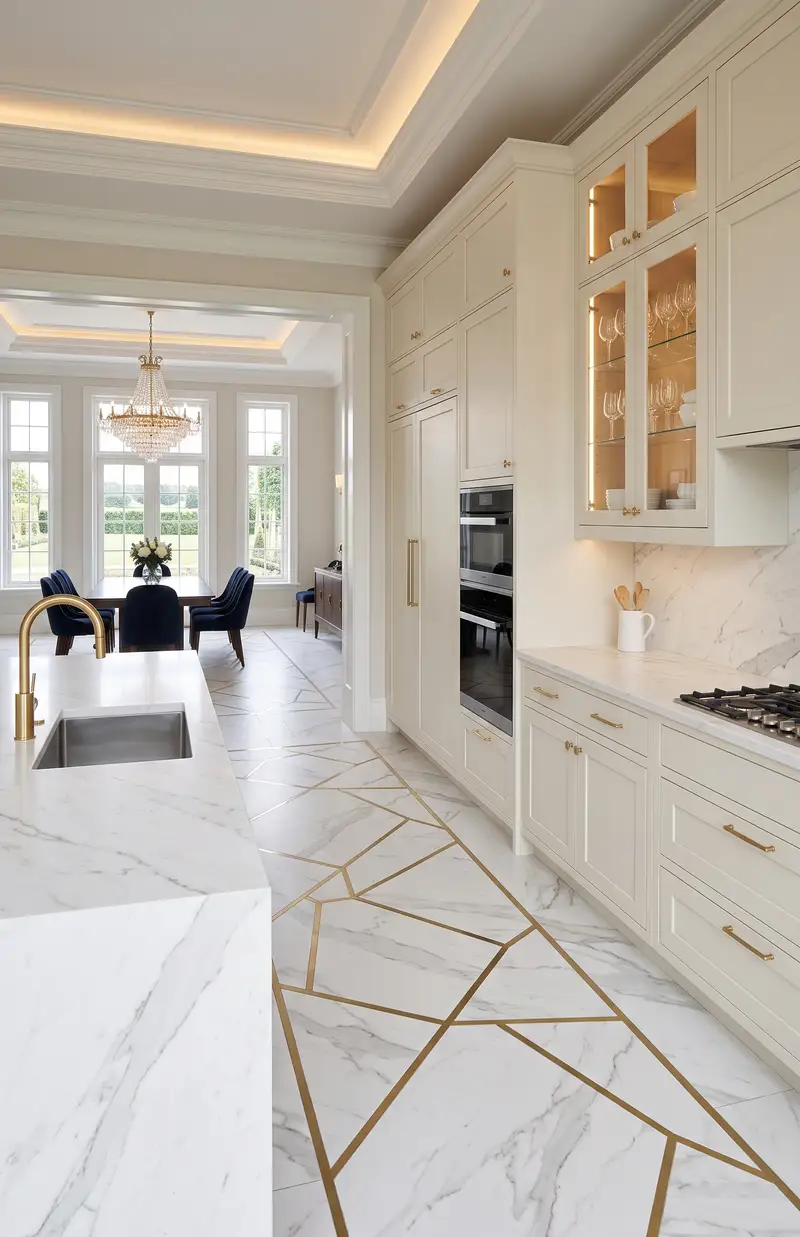
All-white kitchens run the severe risk of looking like sterile surgical wards. Slicing through flat white marble with thick, geometric brass inlays shatters that coldness instantly. The metal lines catch and reflect warm ambient light, adding massive architectural weight to an otherwise floating space.
18. Thick flagstone for historic cohesion
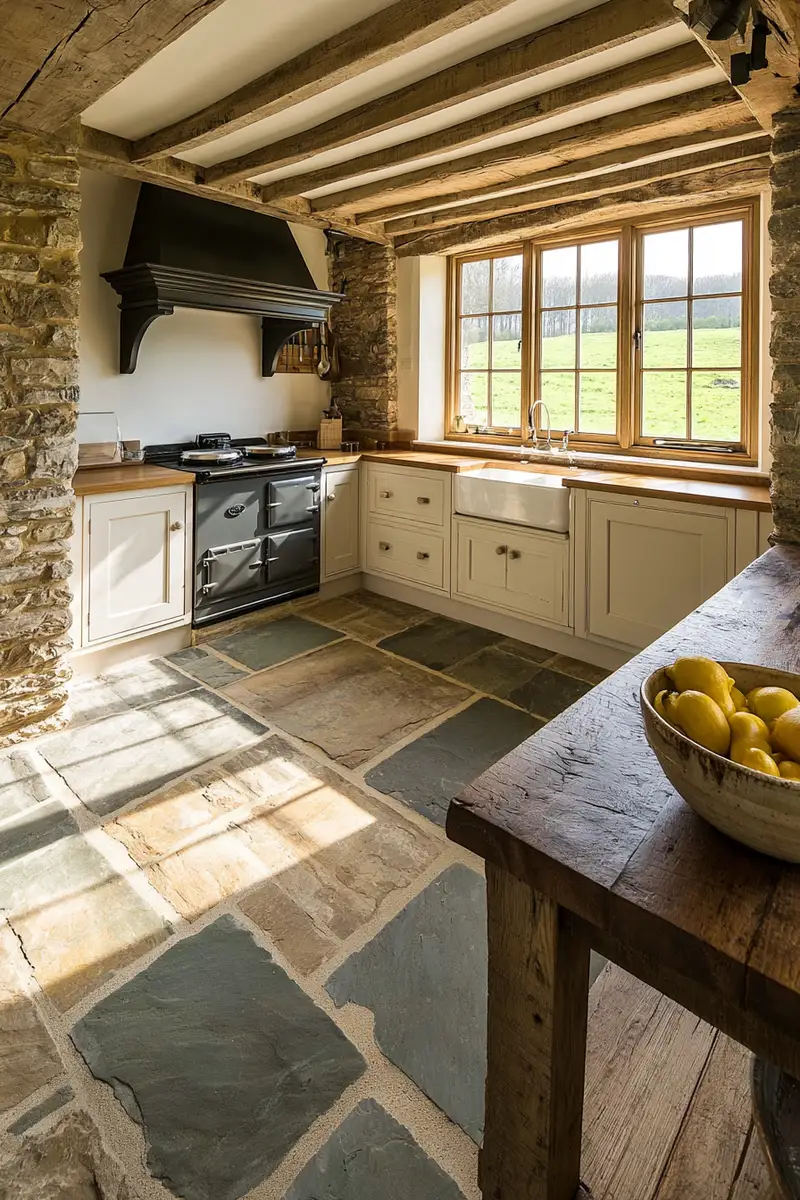
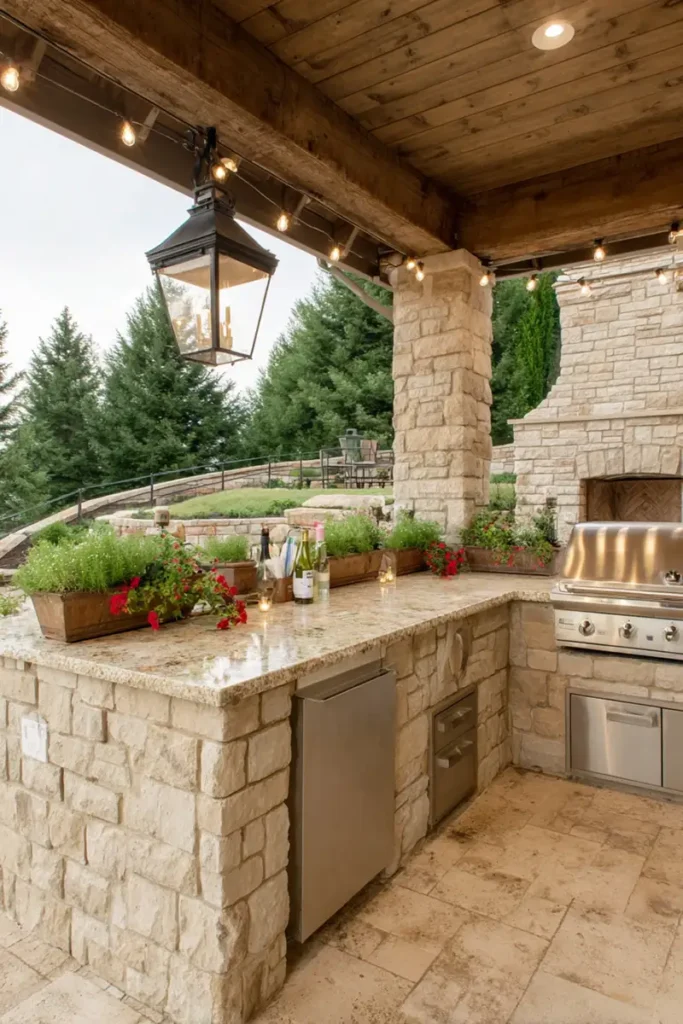
Forcing a sleek modern floor next to raw, exposed brick walls always causes a jarring visual clash. Sticking with thick, irregular flagstone pavers respects the heavy masonry perfectly. The wide, sandy grout lines easily absorb natural structural shifts and heavy impacts from dropped cast iron pots. It just grounds the space naturally.
19. Distressed grain hides the daily mess
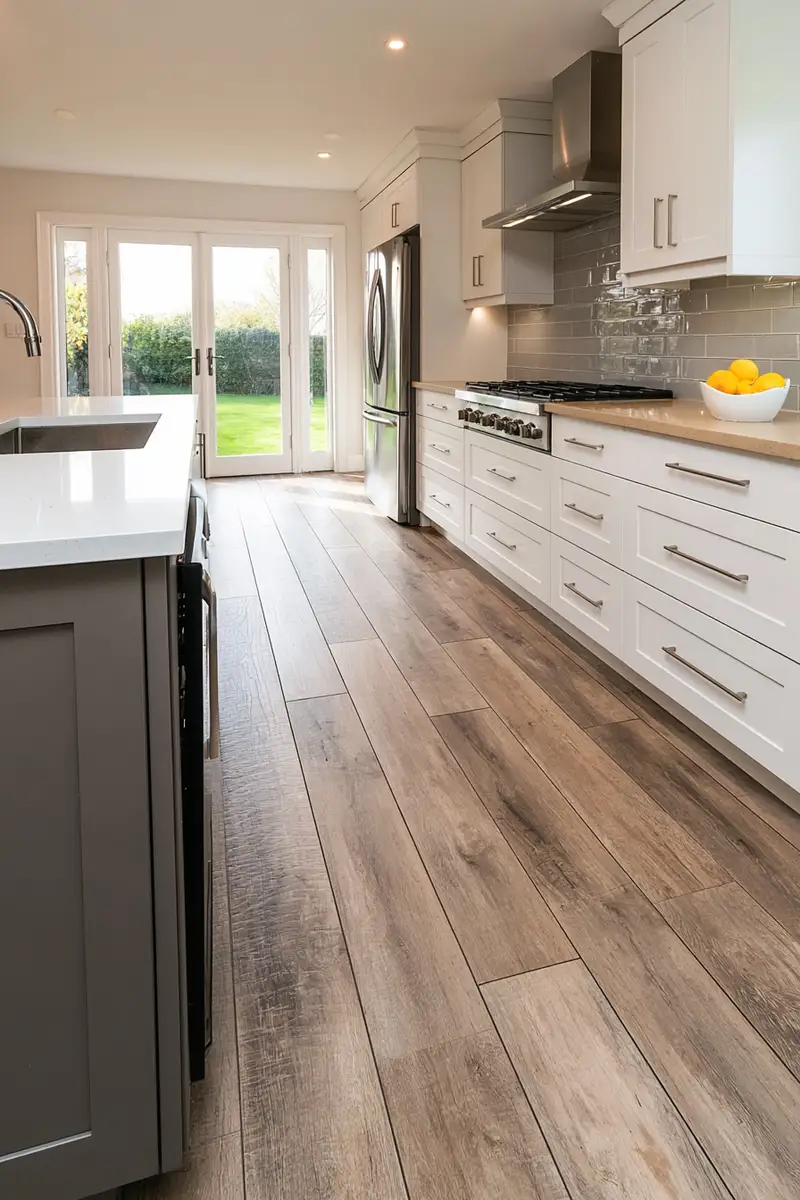
Pet hair and dust highlight themselves instantly on solid-colored floors. Heavily distressed, grey-washed planks offer brilliant optical camouflage. The high-contrast faux grain hides the daily mess effortlessly, saving you from constant sweeping.